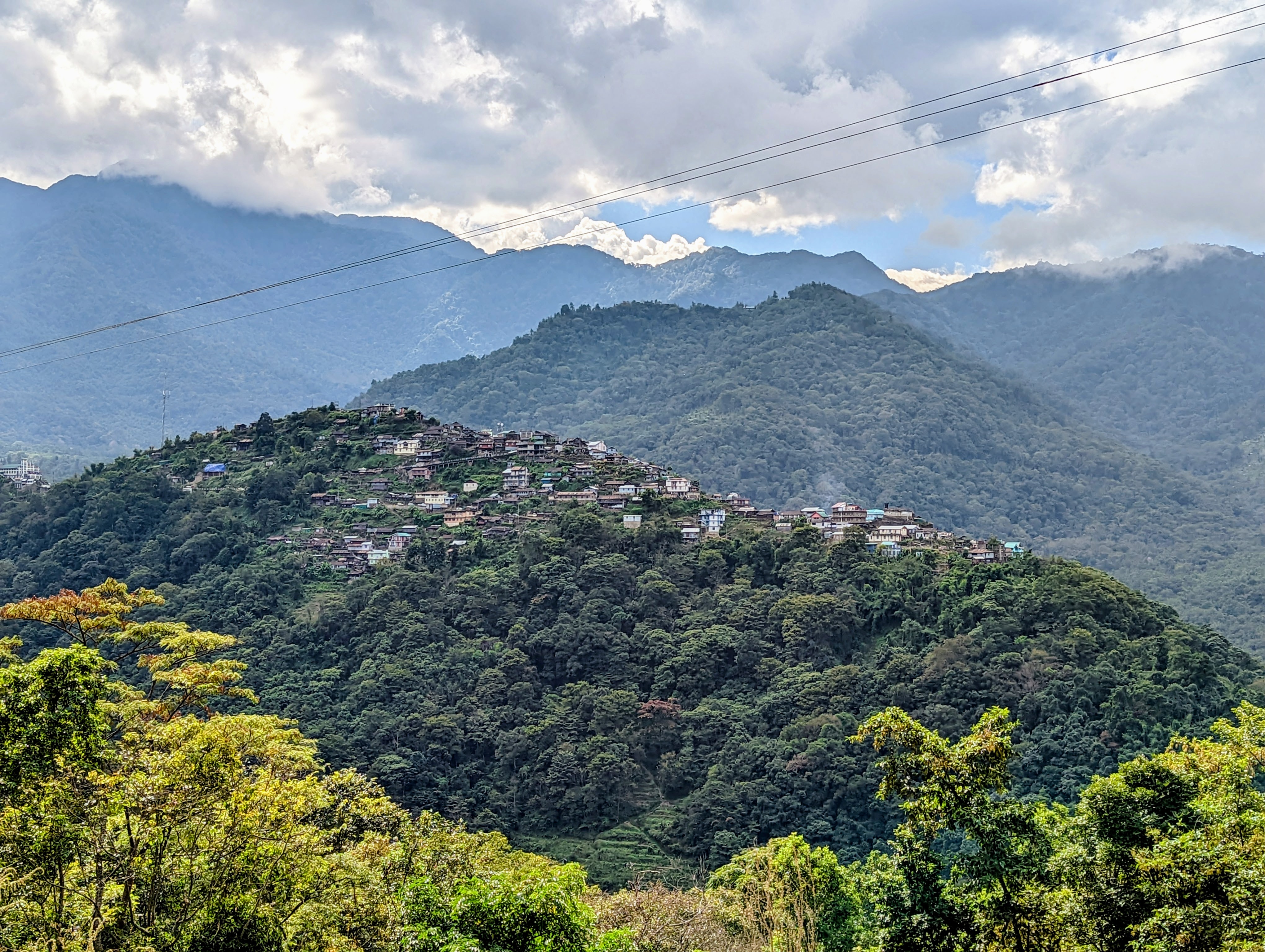
Dzüleke
A village in the clouds of Nagaland
At a Glance
Where the hills
breathe quietly
Tucked among the rolling hills of Nagaland, Dzüleke is a small Angami Naga village where the rhythm of life follows the seasons. Surrounded by dense subtropical forests and fed by clear mountain streams, the village is a sanctuary of stillness — home to birdsong, terraced gardens, and a community that lives close to the land.
Elevation
1,790m
District
Kohima
Tribe
Angami Naga
From Kohima
~30 km
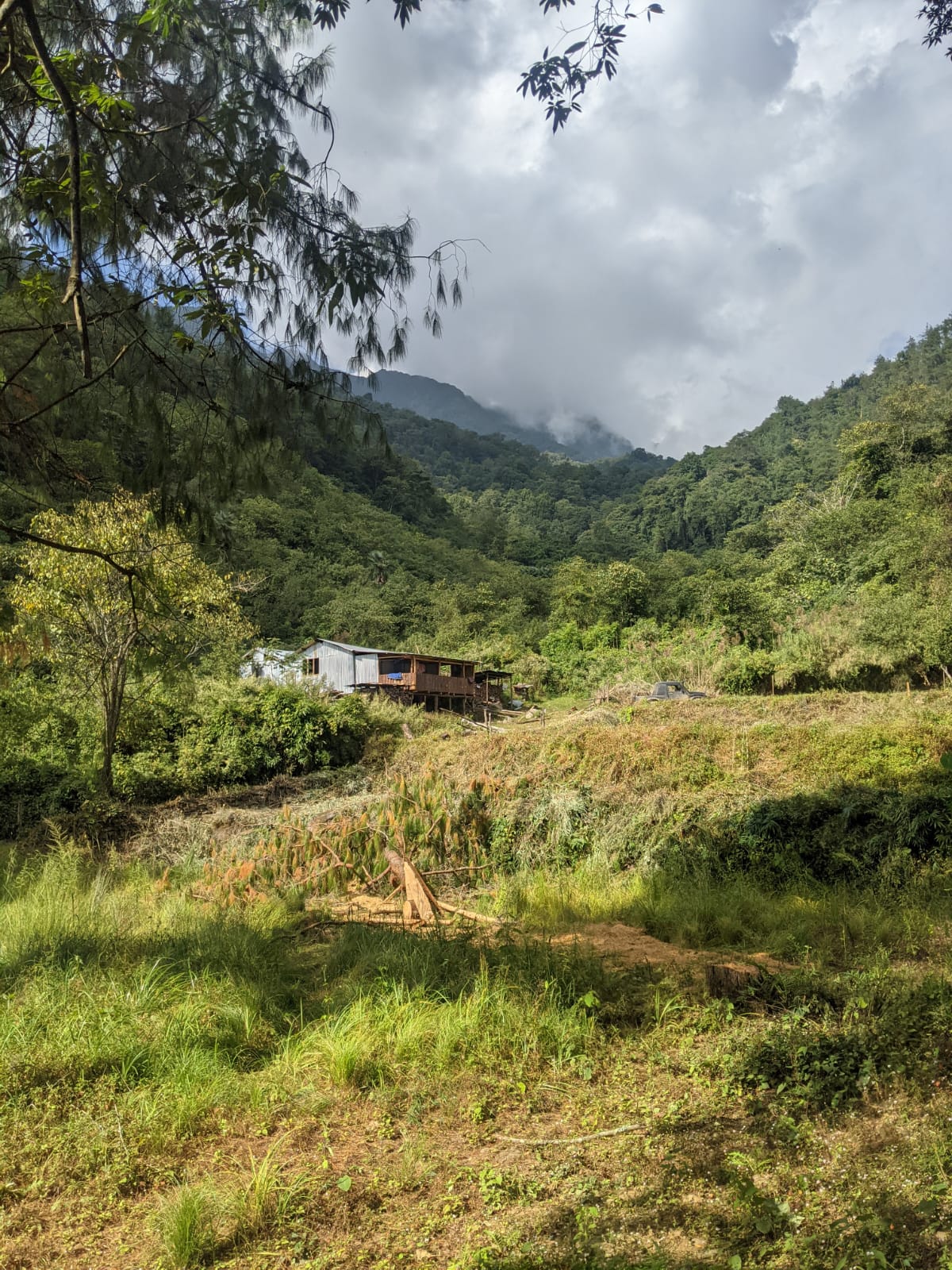
Geography & Landscape
Shaped by water,
wrapped in green
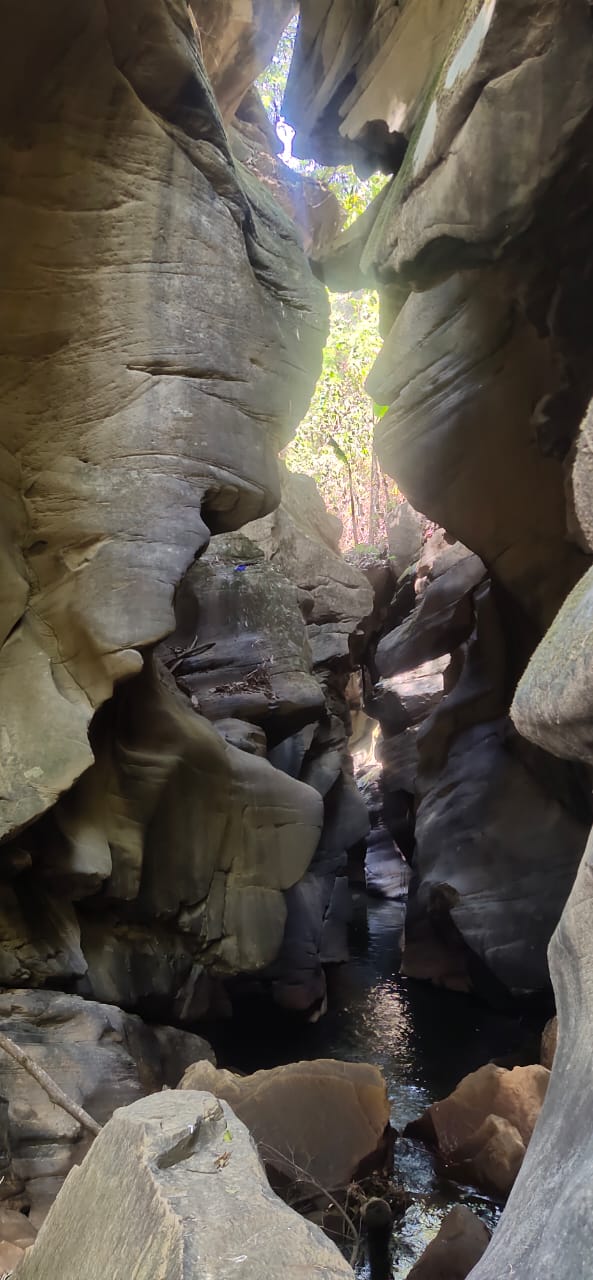
The Gorge
Water has carved its way through ancient rock over centuries, shaping narrow gorges where sunlight barely reaches the stream below. These hidden passages are among the village's most dramatic natural features.
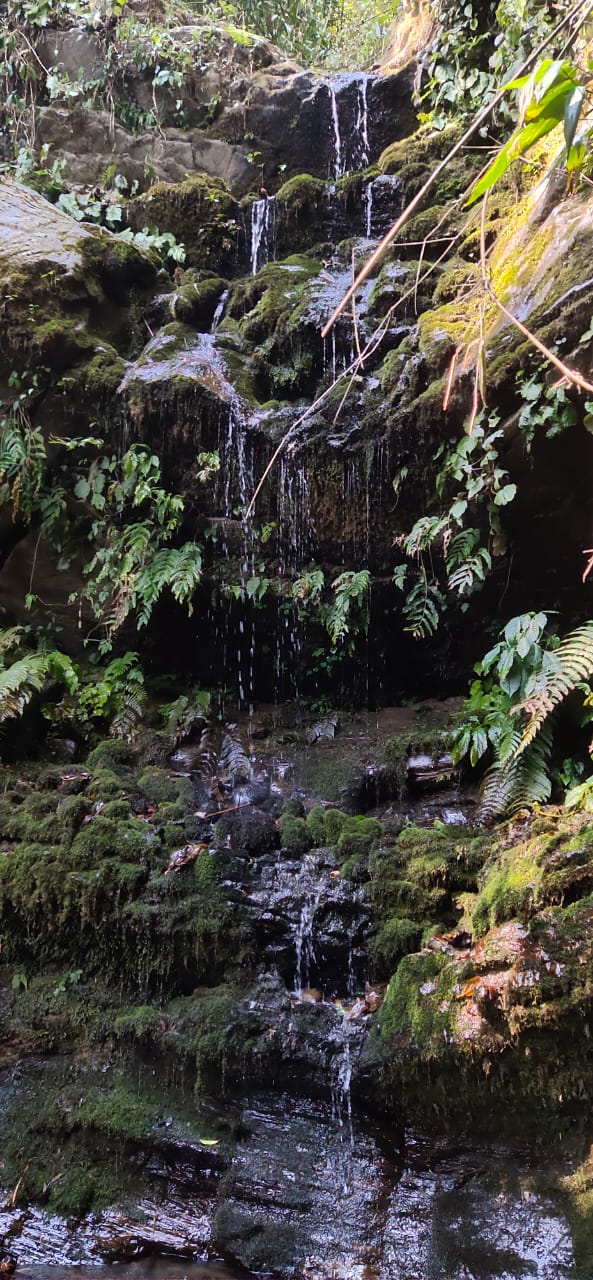
Mountain Streams
Fed by perennial springs, the streams around Dzüleke tumble over moss-covered boulders through groves of fern and wild orchid. The water is cold, clear, and runs year-round.
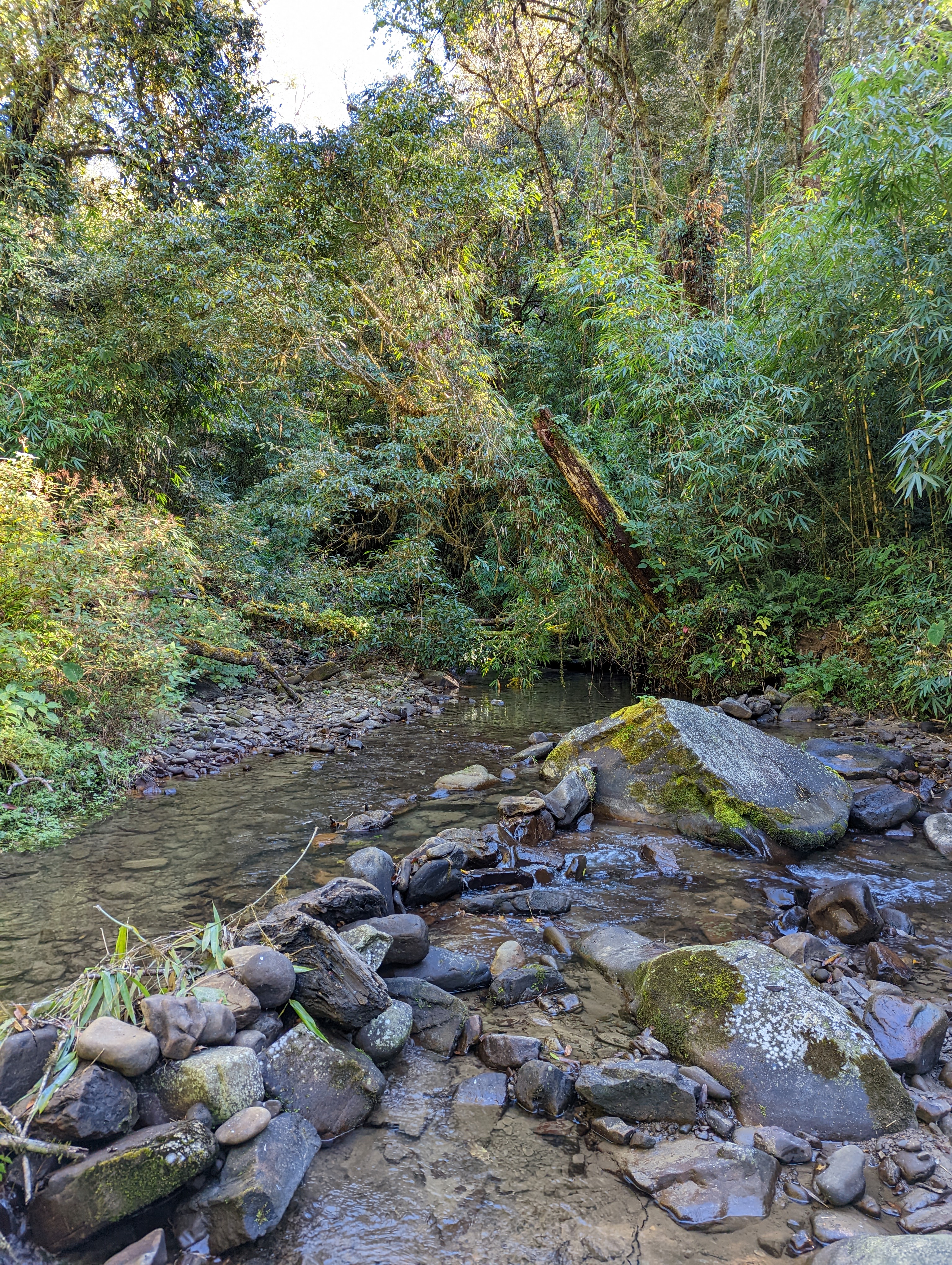
Spring Water
Natural springs feed the rivers that wind through the valley — water so pure the village has drawn from it for generations. What begins as a trickle on the hillside becomes a clear, cold river you can drink straight from.
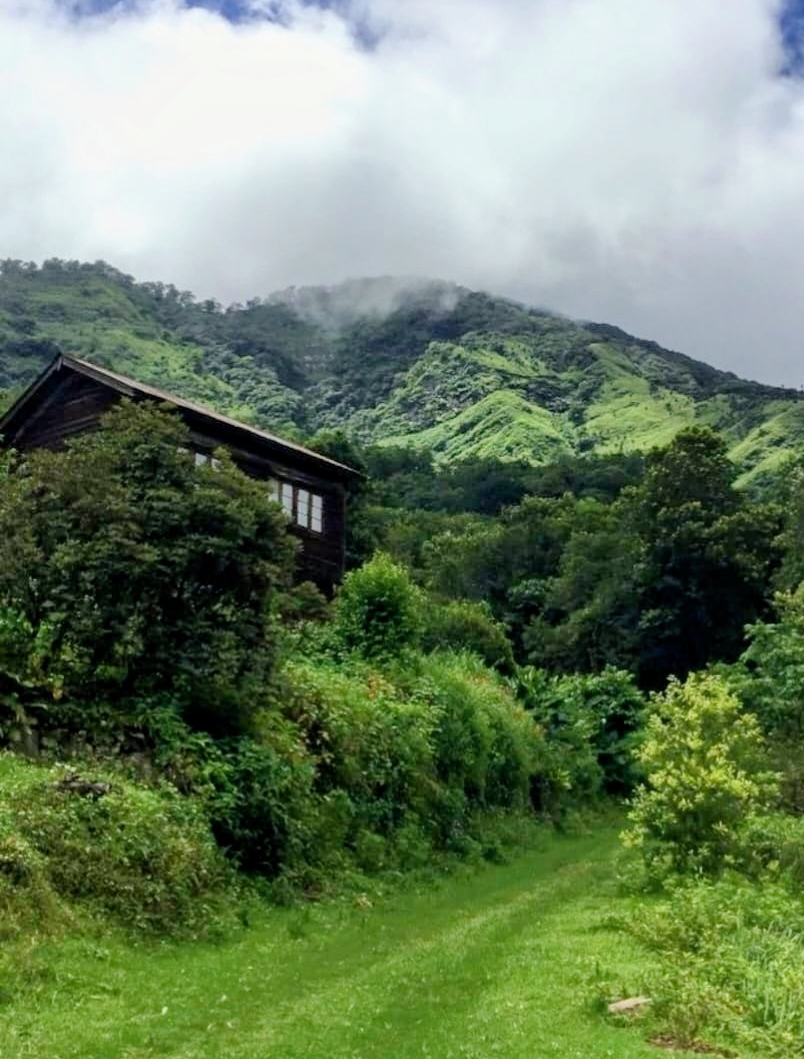
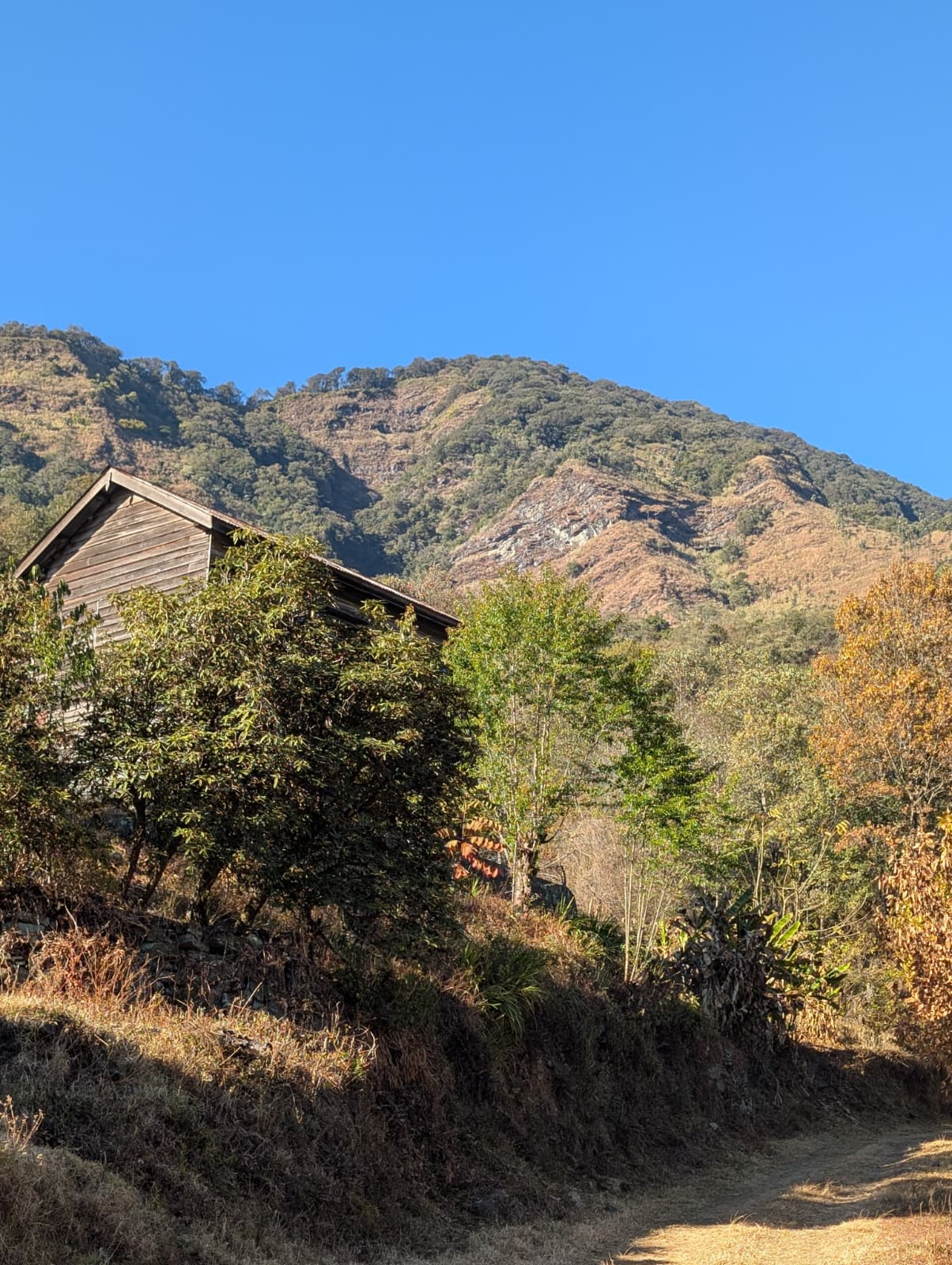
The Changing Hills
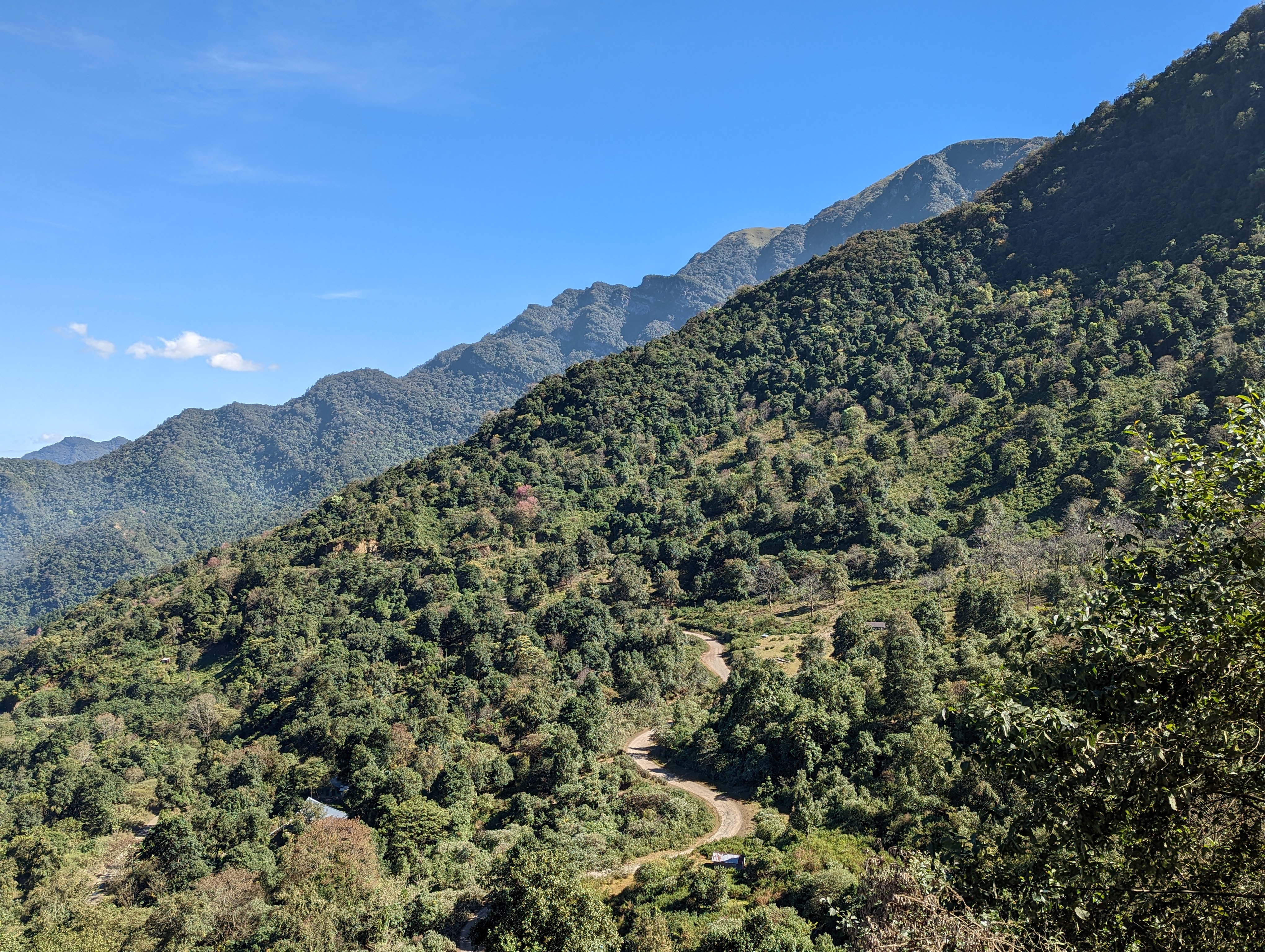
Lush and mist-soaked one month, golden and bare the next — the hills wear every season differently.
Wildlife & Nature
A refuge
for the wild
The forests around Dzüleke are part of a community-conserved area that shelters a rich web of life. The village sits quietly at the edge of this wilderness — a place where birds nest undisturbed and bees build colonies in ancient trees.
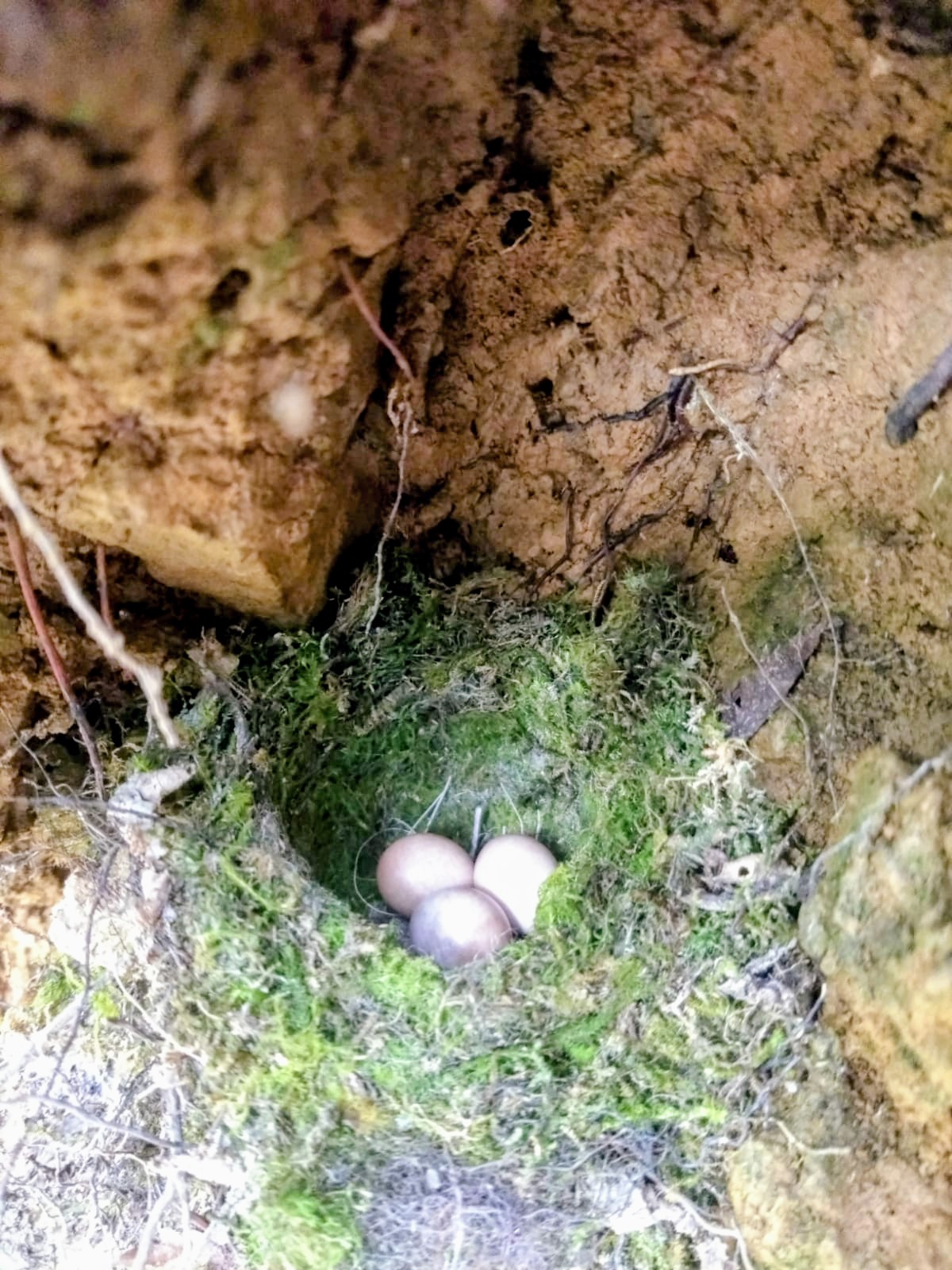
Grey-hooded Warbler
Phylloscopus xanthoschistos
A small warbler with olive-grey upperparts, a bright yellow belly, and a distinctive dark eye stripe. Common in the montane forests of the Eastern Himalayas, it flits through dense undergrowth near streams — exactly where this one was spotted, just outside the village.
Nesting Birds
Blyth's tragopan, the great barbet, and dozens of other species nest in the canopy. The village sits along a bird migration corridor, making it one of Nagaland's most rewarding spots for birdwatching.
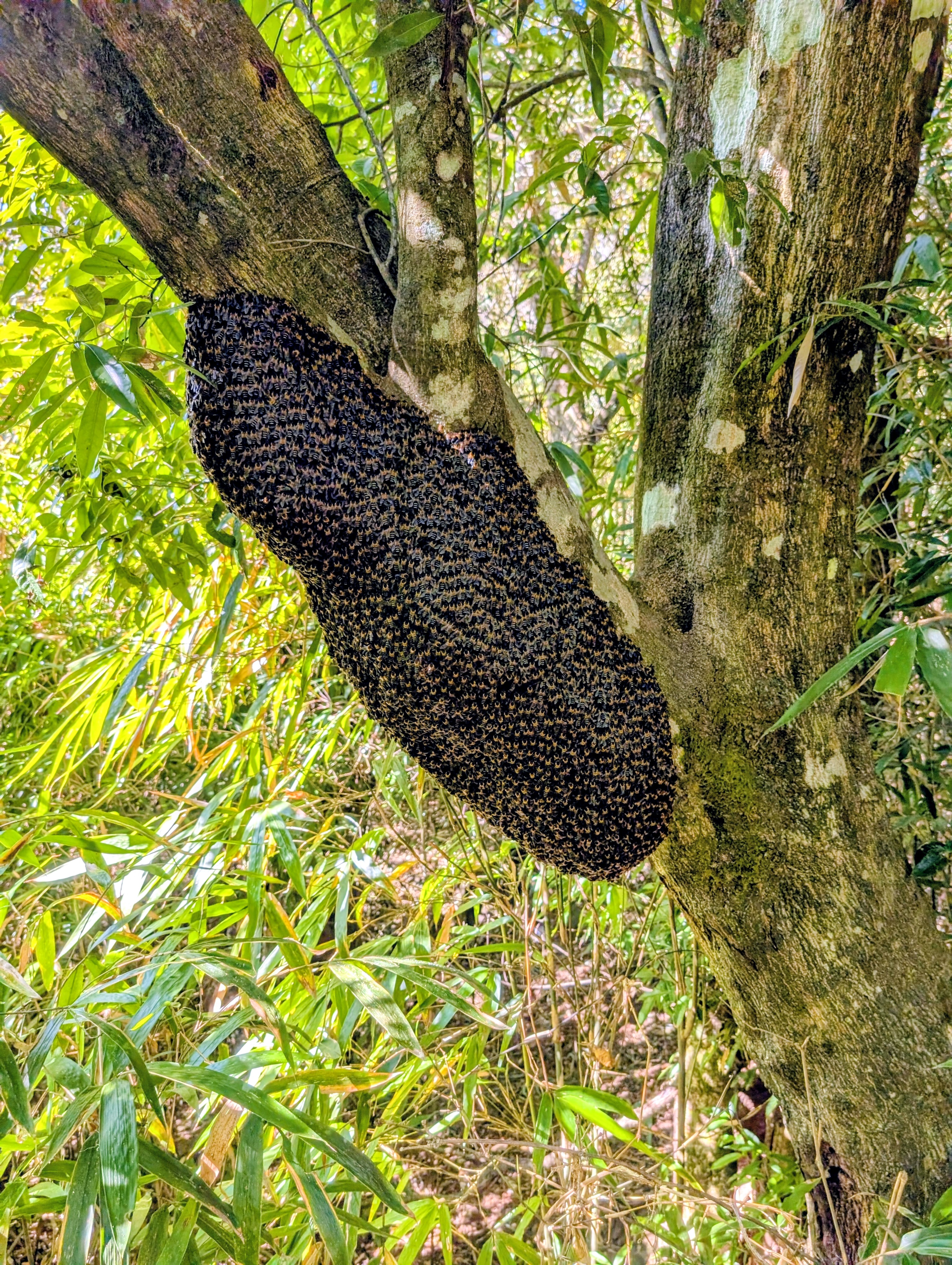
Wild Honey Bees
Massive colonies of wild honey bees build their hives on the branches of old-growth trees. Villagers harvest the honey seasonally — a tradition passed down through generations.
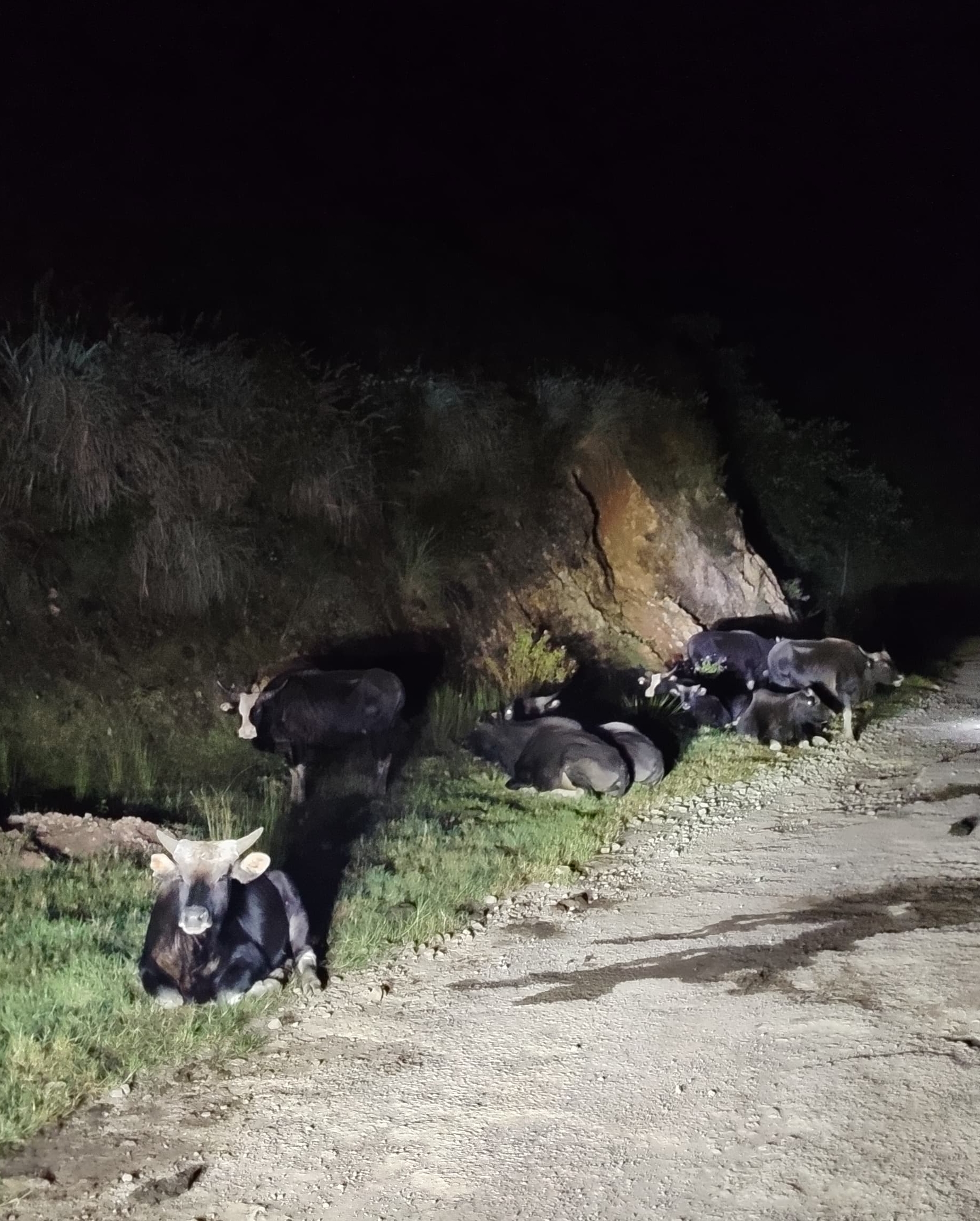
The Mithun
The semi-wild Mithun roams the forested hills freely, returning to the village on its own terms. Revered across Naga culture, it is a symbol of wealth, tradition, and the bond between people and land.
Daily Life
Living with
the seasons
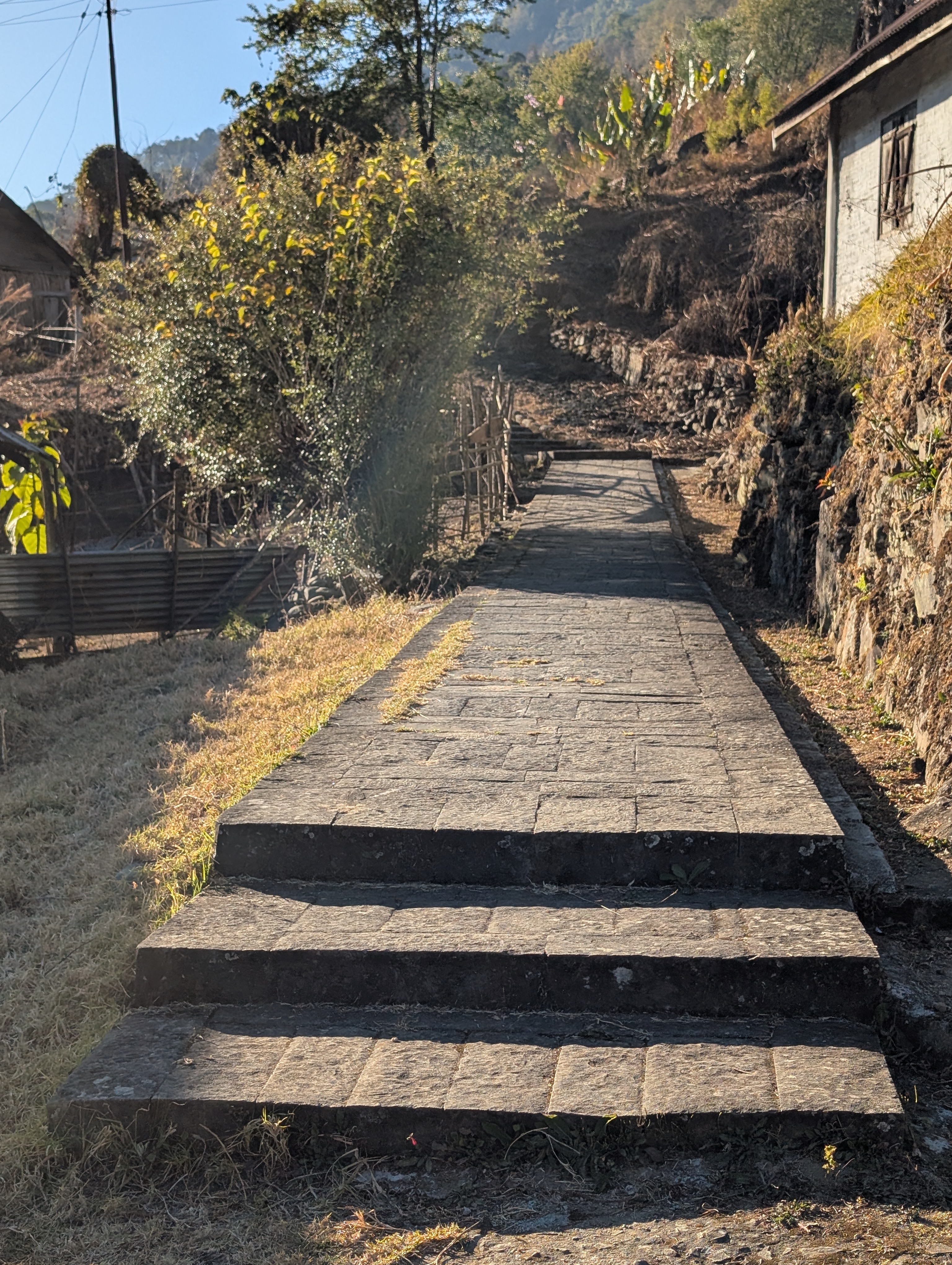
The Path
Hand-laid stone paths — a quiet testament to village craftsmanship.
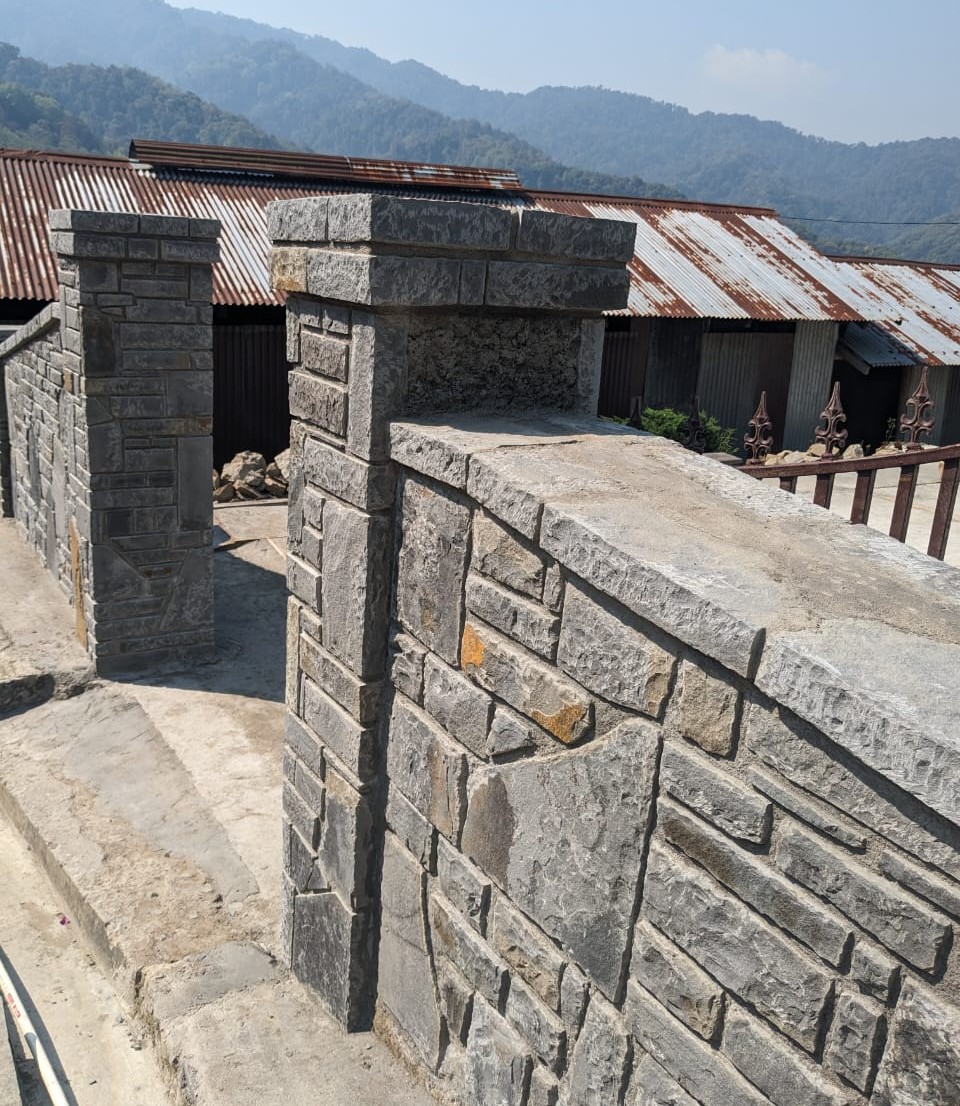
The Gate
Hand-laid stone gates built from the same hills they overlook.
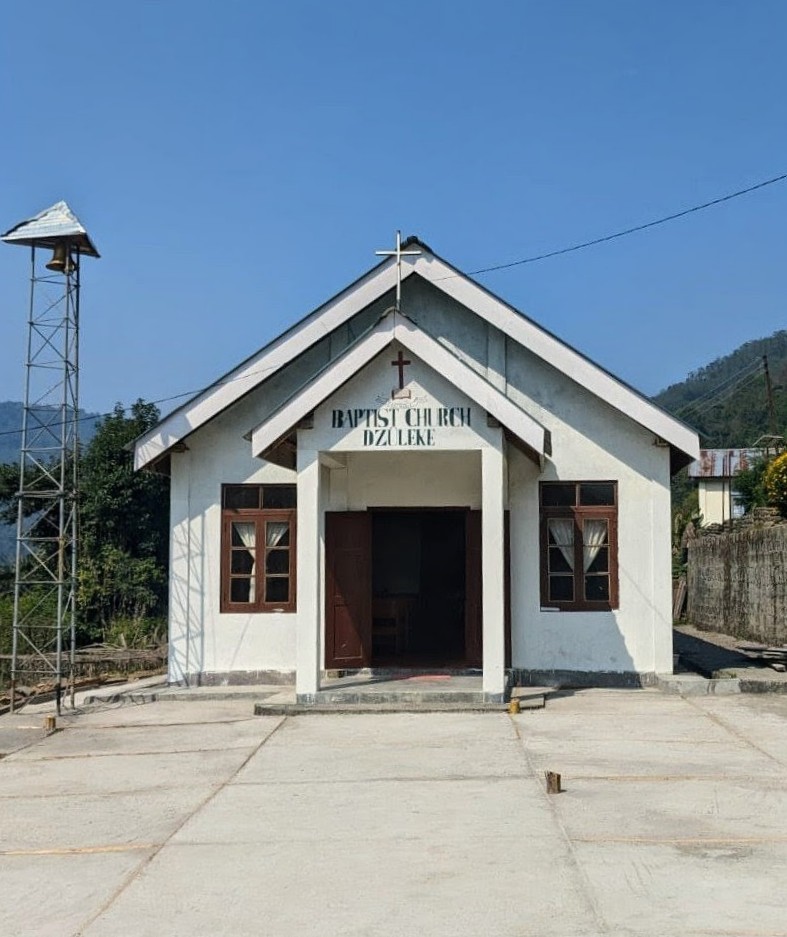
The Church
The village church — heart of faith, community, and green hills.
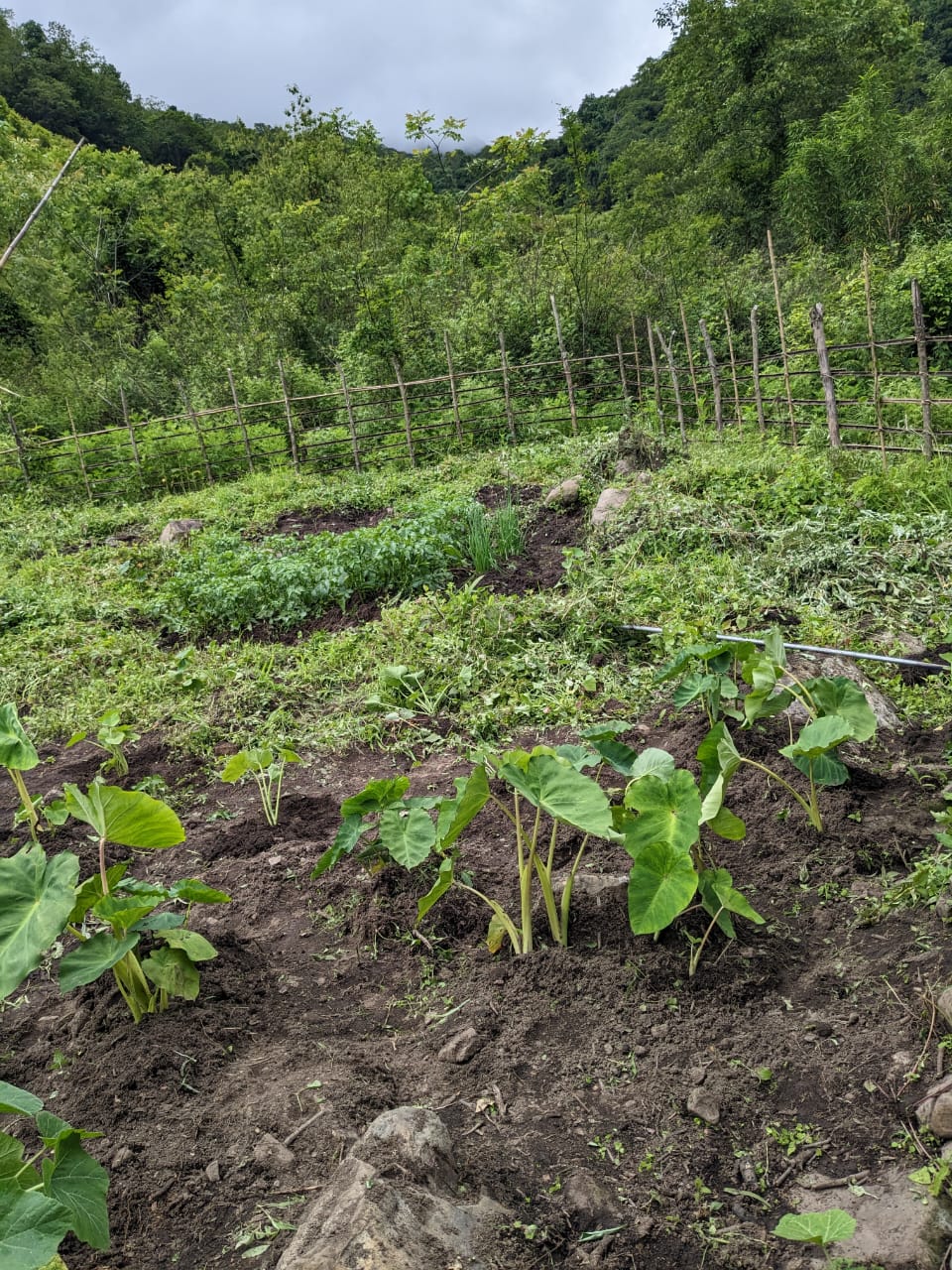
The Garden
Every household tends a garden on the hillside — taro, beans, leafy greens, and gourds grow in terraced rows. Farming here is organic by tradition, not by trend.
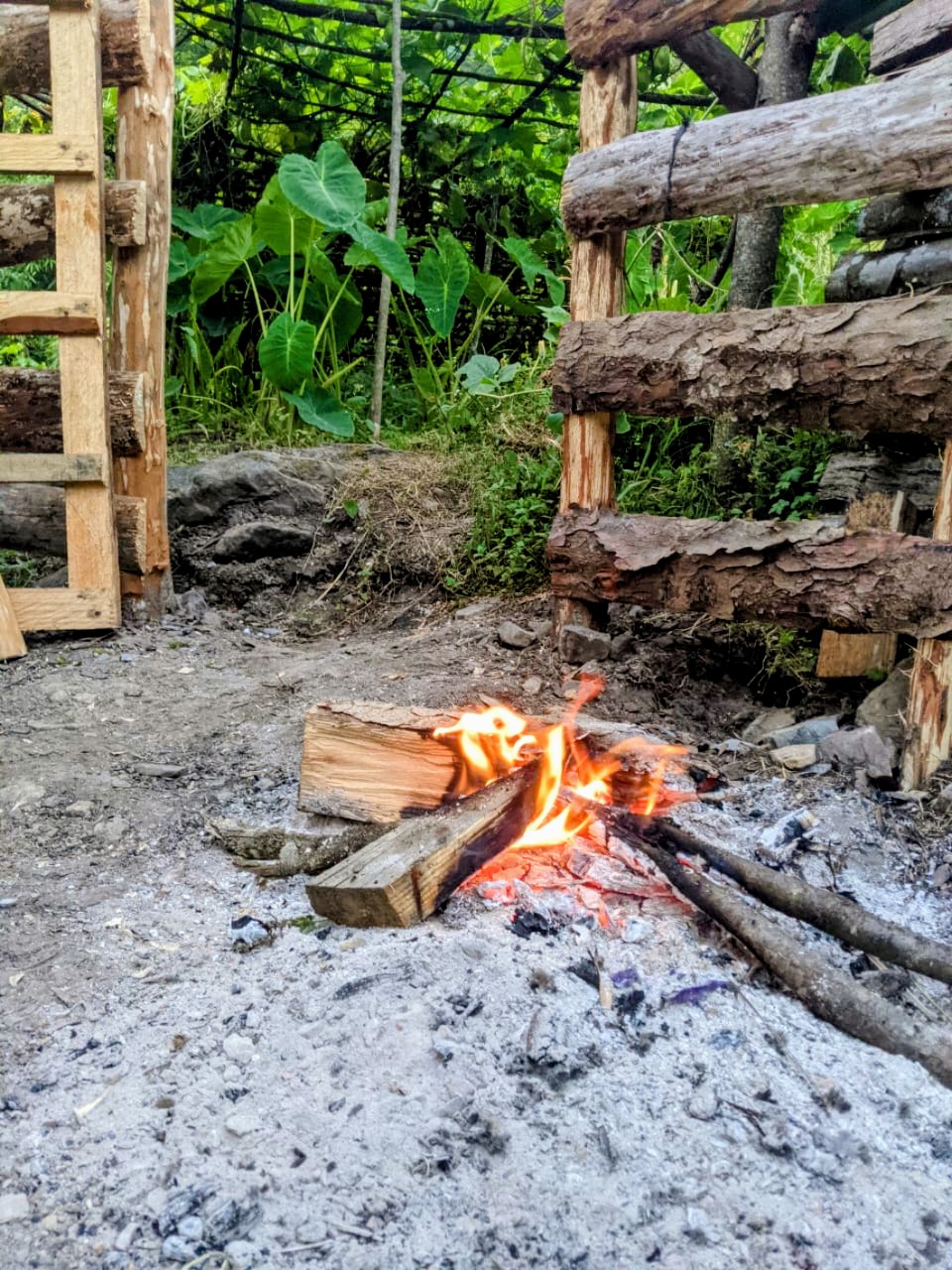
The Hearth
Wood fires are the centre of village life — for cooking, for warmth on cold mountain nights, and for gathering. The smell of smoke is the smell of home.
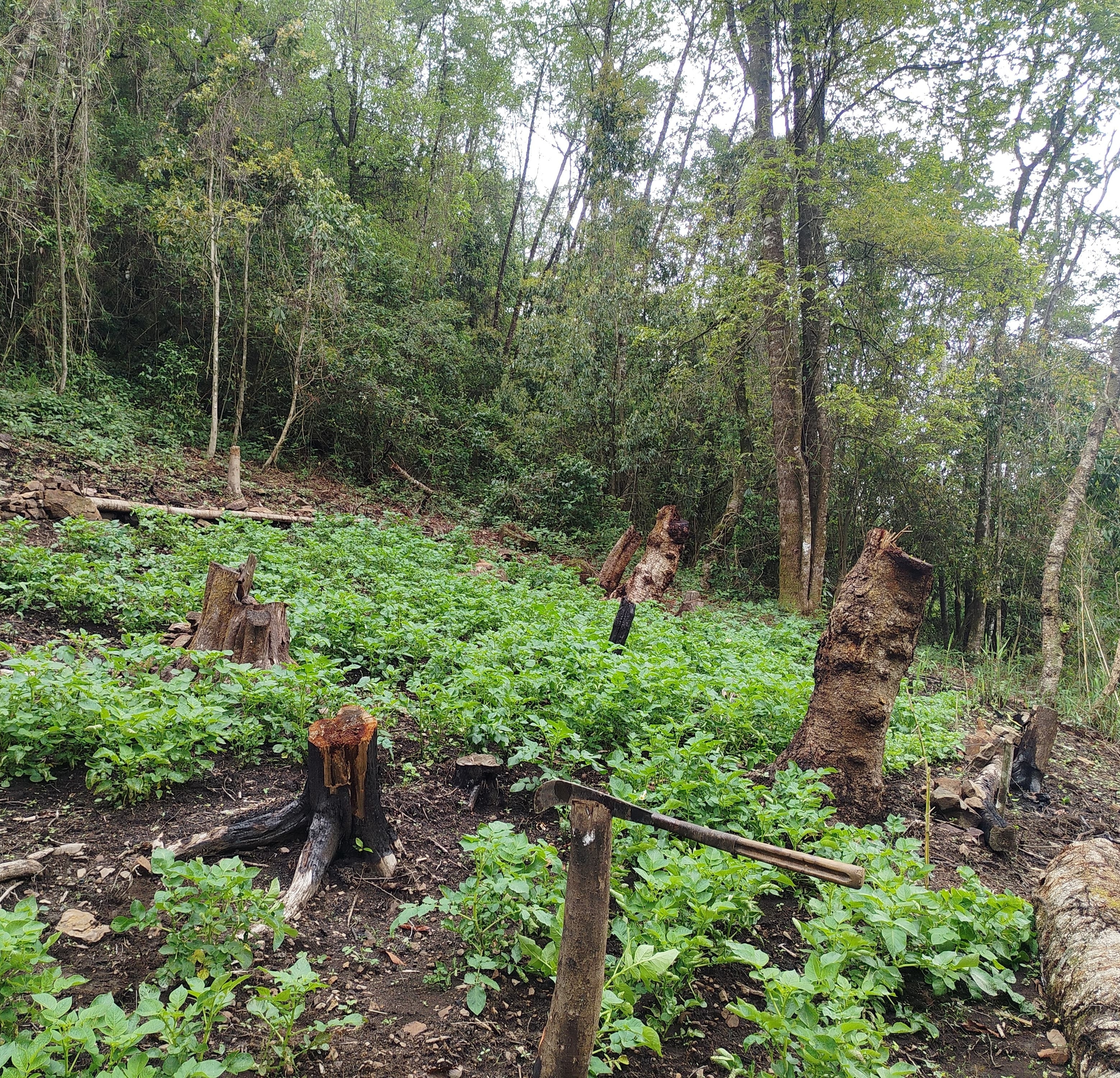
The Field
Potato patches are carved from the forest edge — cleared, planted, and tended by hand. The land gives back what the seasons allow.
Food & Cuisine
From the land,
to the fire
In Dzüleke, the distance from farm to table is measured in footsteps. Every meal carries the taste of the hills — smoked, fire-roasted, and seasoned with ingredients foraged or grown within sight of the kitchen.
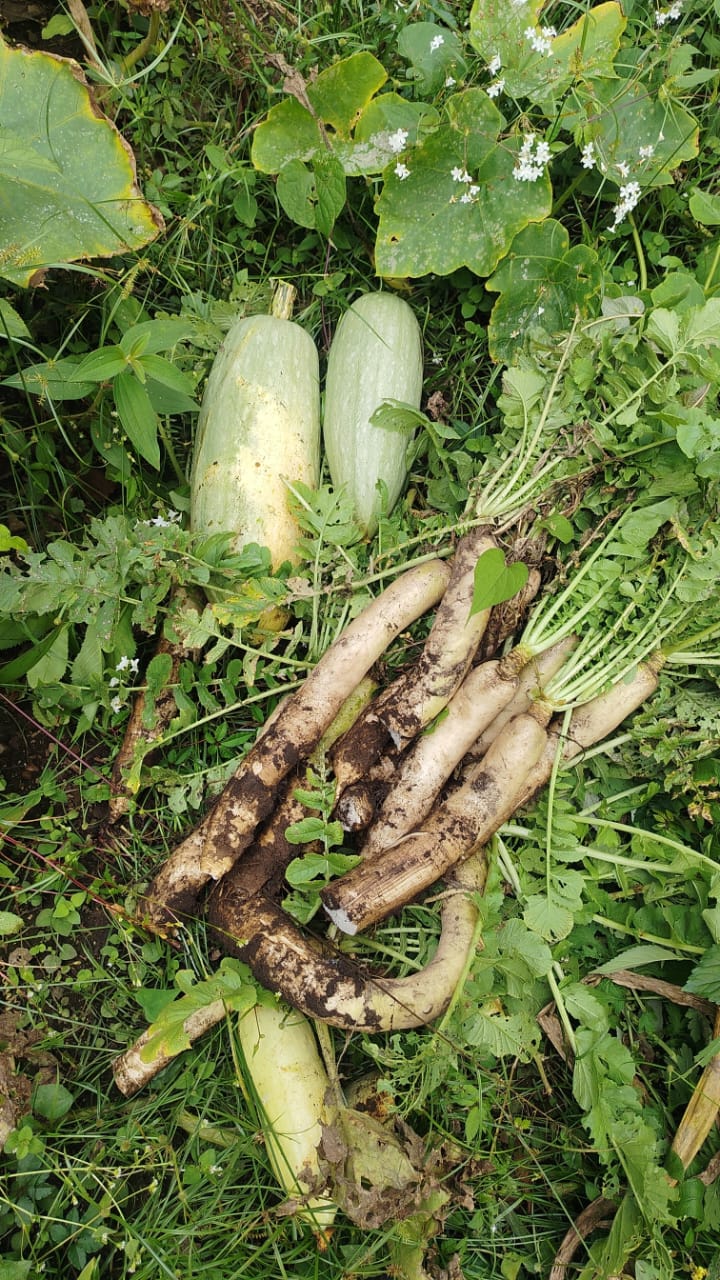
Garden Harvest
Gourds, radishes, and root vegetables pulled straight from the earth. What grows in the garden ends up on the plate the same evening.
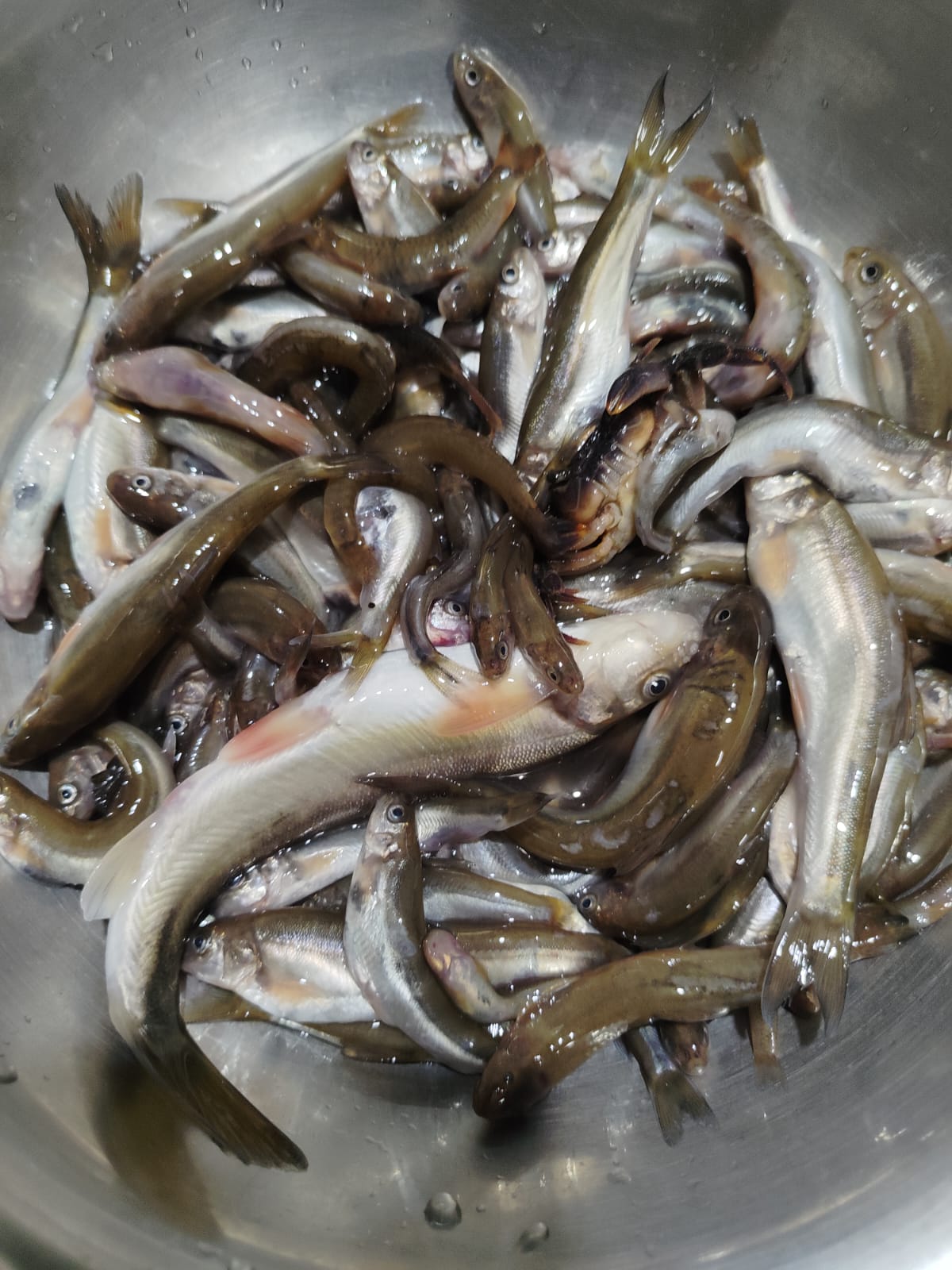
River Fish
Small fish from the mountain streams, caught by hand or with simple traps. Fried crisp or simmered in a broth with local herbs — a village staple.
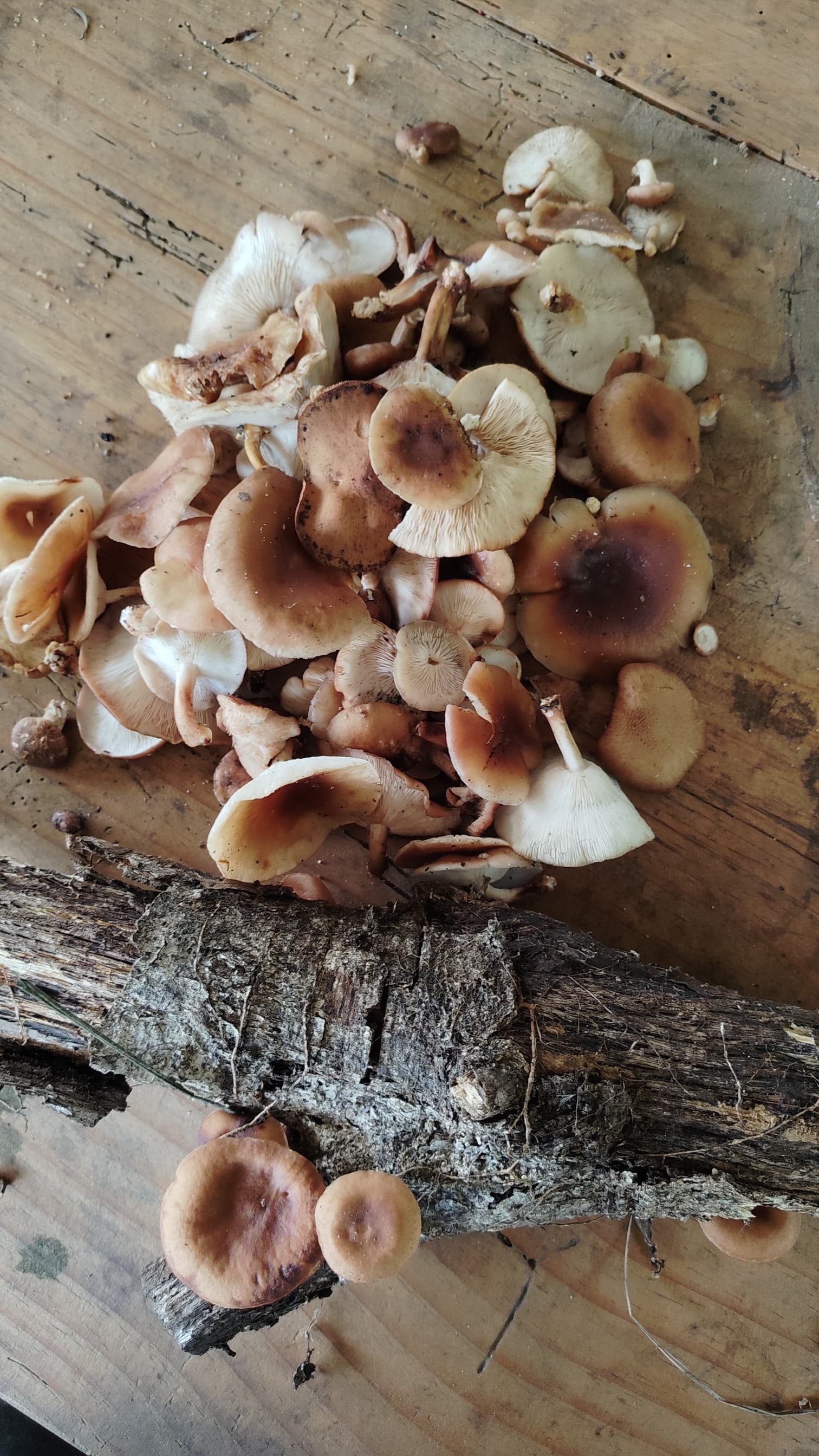
Wild Mushrooms
Foraged from the forest floor after the rains, wild mushrooms are a seasonal delicacy — earthy, fragrant, and cooked simply with chillies and herbs.
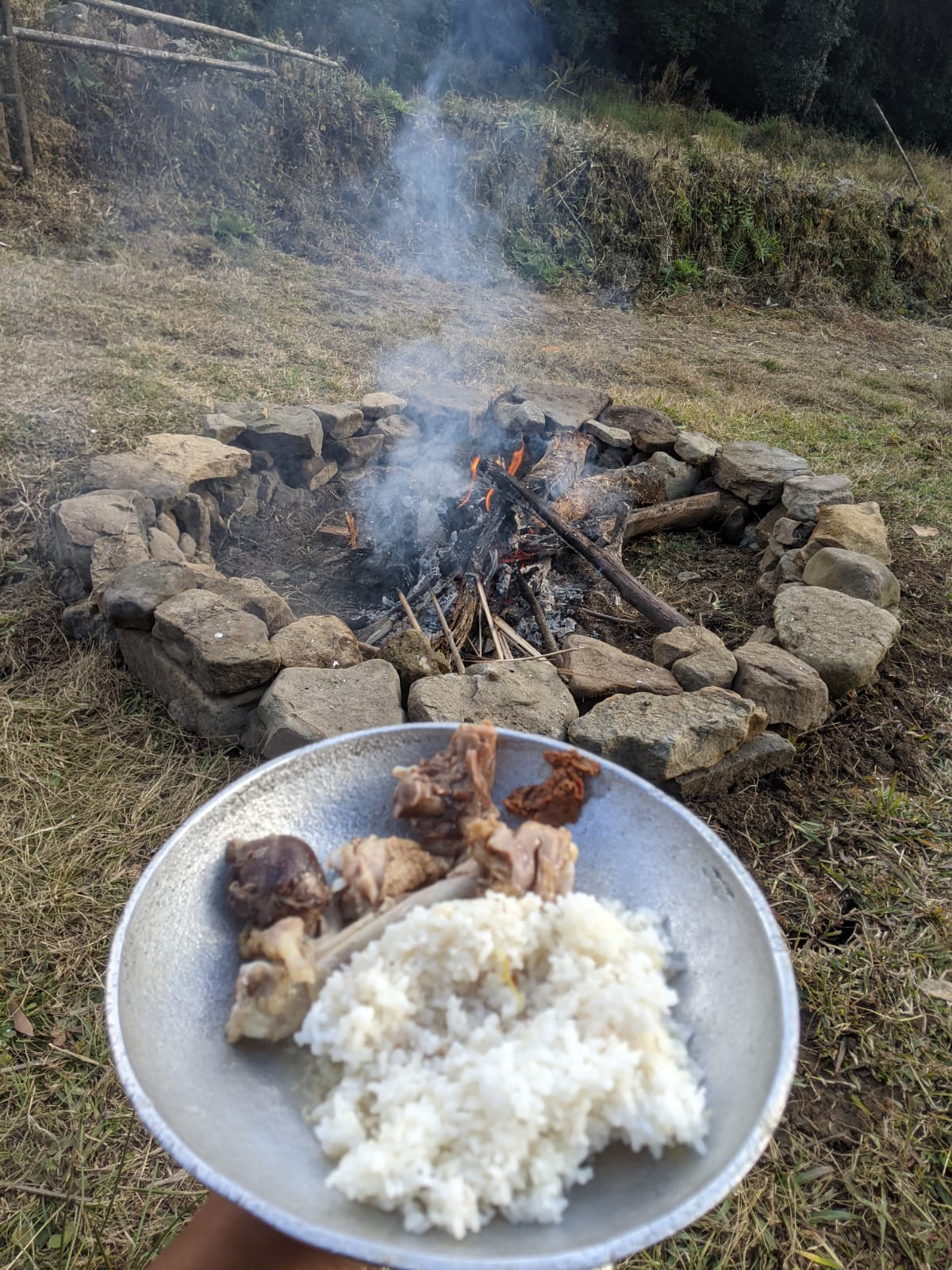
Fire-Cooked Meals
Rice with smoked pork or chicken, cooked over an open fire. Simple ingredients, honest flavour — the kind of meal that tastes best outdoors.
Explore
Wander and
discover
Beyond the village, the hills are open and unhurried. Forest trails, quiet roads, and riverside clearings wait for those willing to walk a little further.
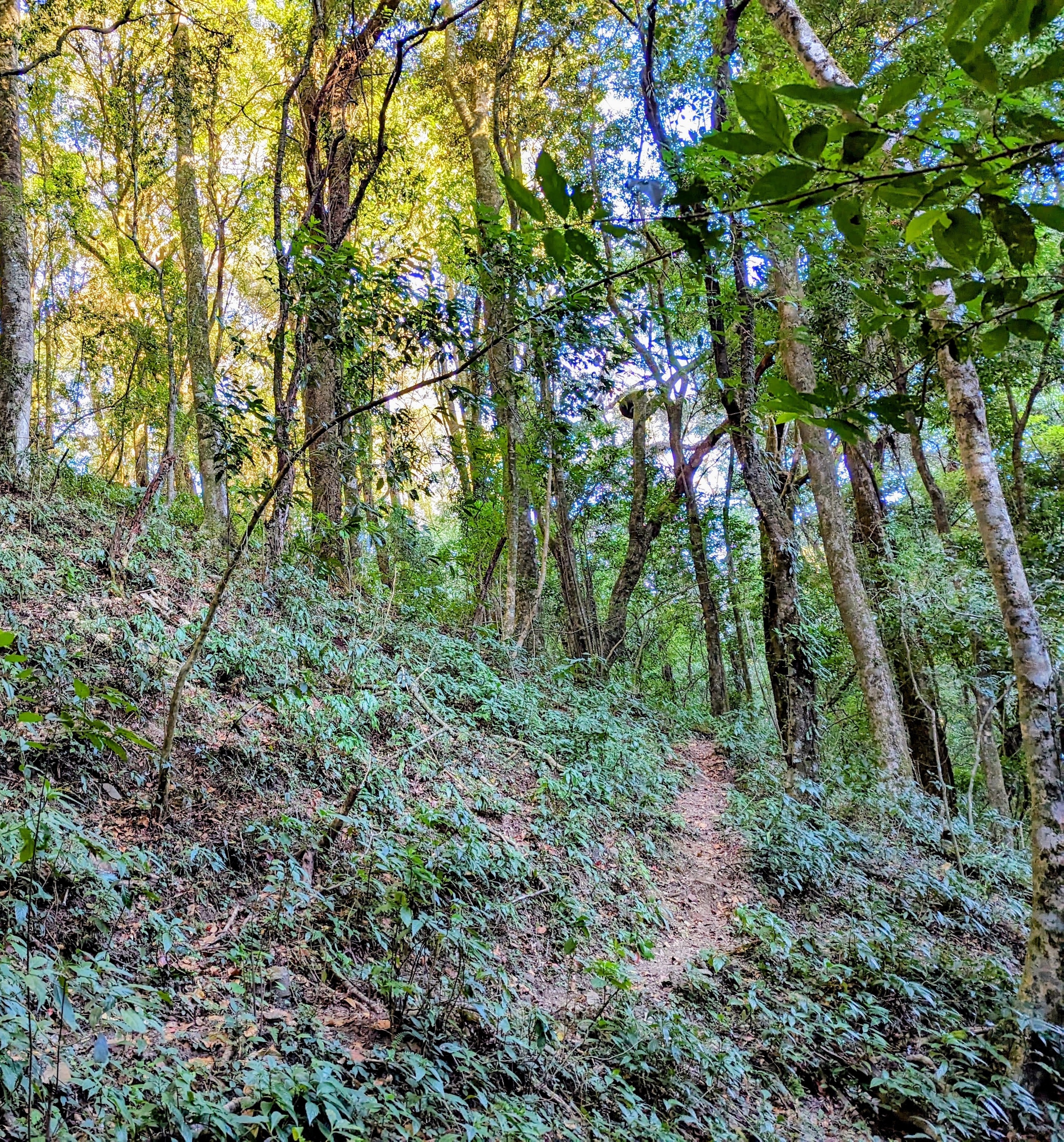
Forest Walks
Trails wind through old-growth forest where sunlight filters through the canopy. Every path leads somewhere worth pausing for.
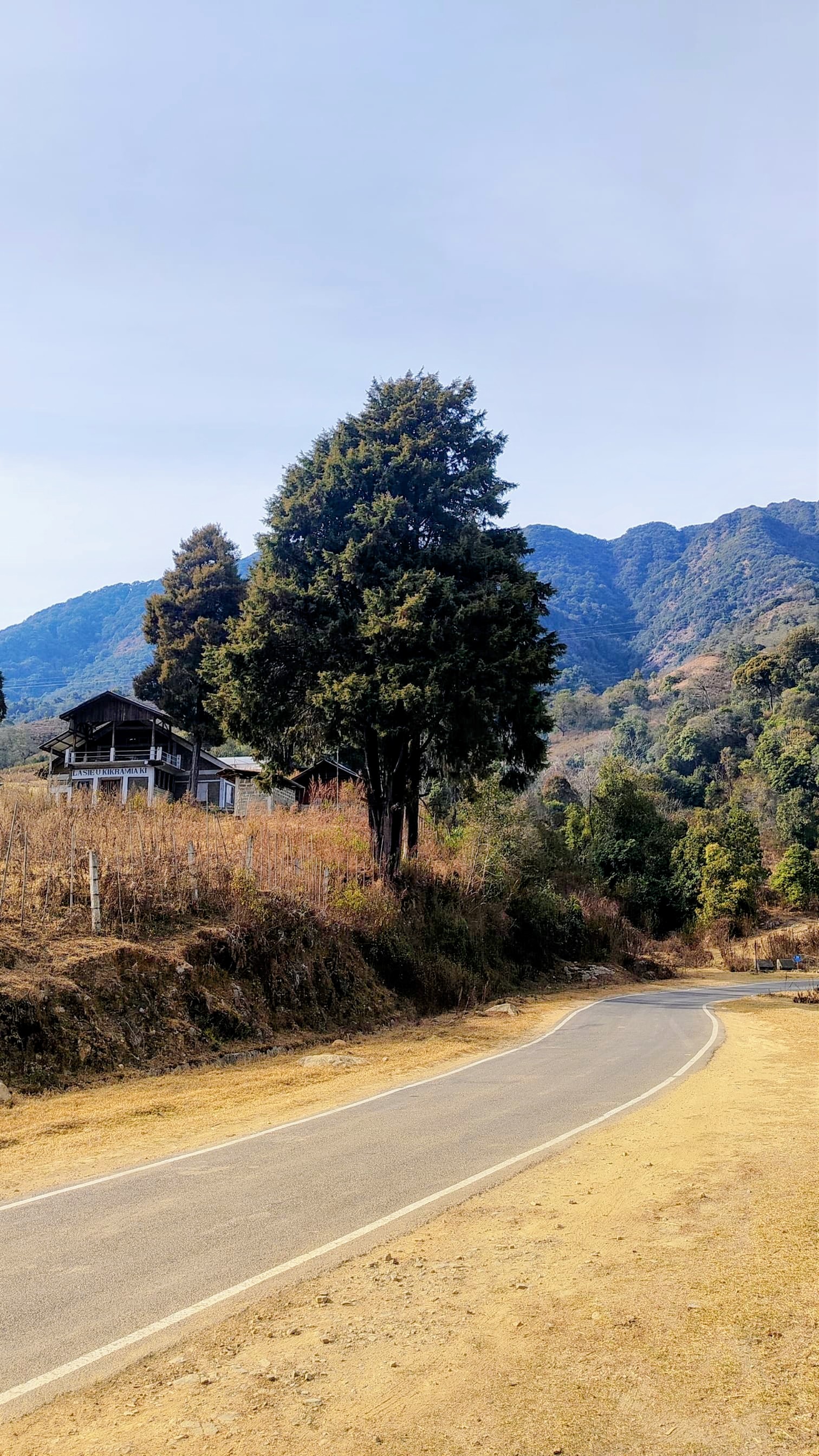
Scenic Roads
The roads around Dzüleke offer views at every turn — traditional houses, lone trees against the ridgeline, and mountains layered into the distance.
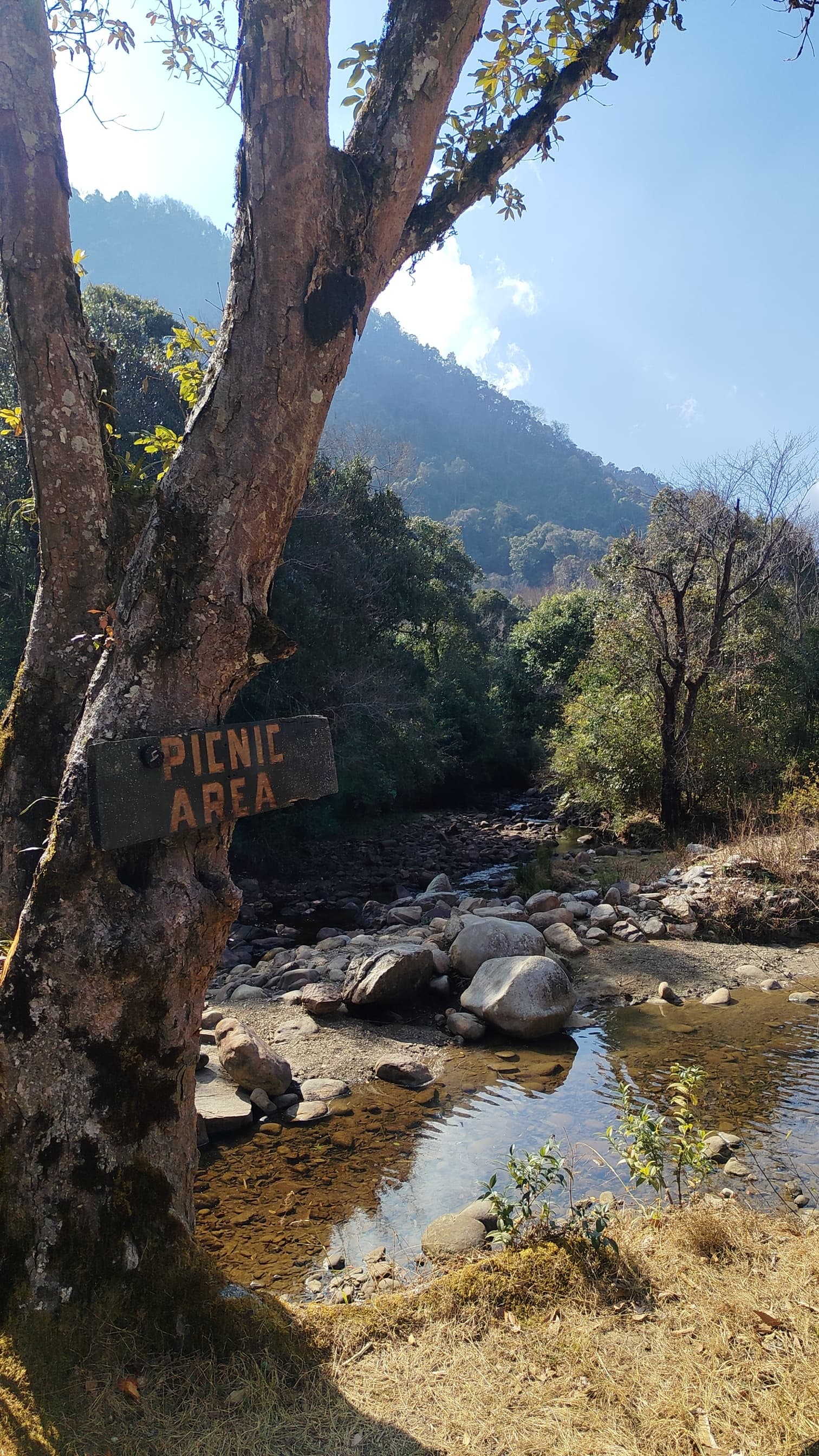
Picnic Spots
Scattered along rivers and forest clearings, these quiet spots with smooth boulders and clear water are the kind of places you stumble upon and don't want to leave.
Stay
Rest in the
quiet
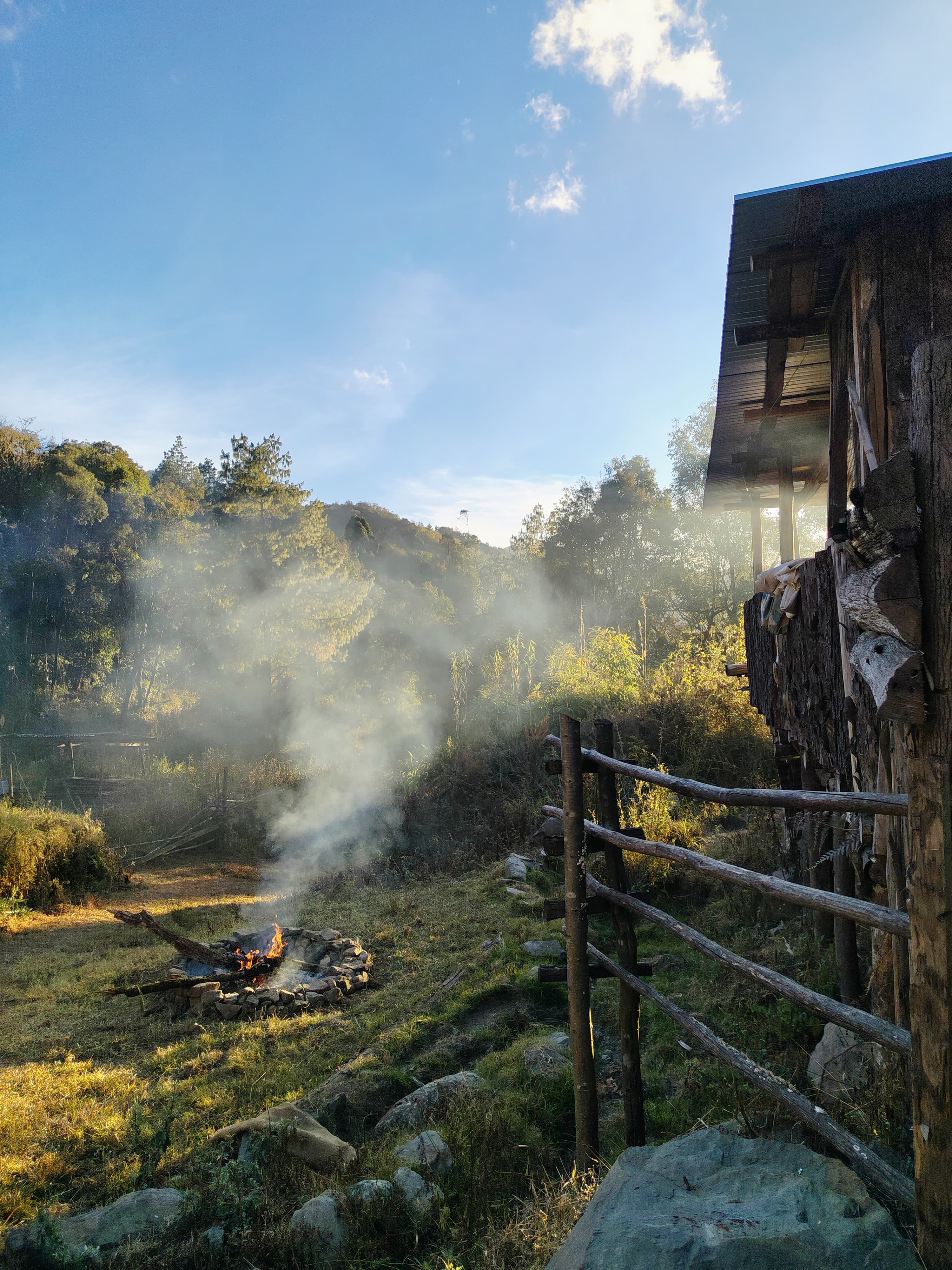
Stay with a local family and wake up to woodsmoke and birdsong, or pitch a tent where the hills open up and the sky goes on forever. Spaces are few and the village keeps it that way.
A full guide to homestays and campsites is on the way. Until then, drop us a line and we'll help you sort out the details.
Getting There
The road
to Dzüleke
From Kohima
~30 km drive through winding mountain roads. About 1.5 hours.
From Dimapur Airport
The nearest airport, ~100 km away. Drive to Kohima, then onward to Dzüleke.
From Dimapur Railway Station
The nearest railhead. Shared taxis and buses run to Kohima regularly.
Views on the way